|
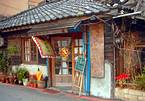
Jinjiang Tea Hall is located
in an alley near the No. 9 exit of Kuting MRT station.
The building is a relic from the Japanese era. The
exterior reminds one of the simple tastes of Hakka
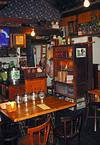
people; the interior's main features are its wooden
tables and stools. There is also a private cubicle
where guests sit on the floor Japanese-style.
|
The tea hall sells Beipu
Lei Tea (NT$120 per person). Lei tea was
what Hakka people used to greet their guests
in olden times. The modern, improved lei
tea is sweeter than the old concoction.
Sesame seeds and peanuts are ground in a
special ceramic pot until their oil oozes
out, then tealeaves are added, and grinding
continues. Then, over 20 healthy ingredients
are added (mostly grains and beans), and
the whole thing is ground to a powder. Hot
water is then added. The final part of the
process is steaming. The thick, sweet lei
tea that is the end result makes the ten-minute
making process worth it. |
 |
The tea hall also offers Hakka
dishes at prices that won't break the bank.
The tiny Jinjiang Tea Hall is,
surprisingly, a treasure trove of Hakka cuisine. The
staff are friendly, and take the time to explain Hakka
food culture, and answer Hakka-related questions.
At the Jinjiang Tea Hall, your stomach can end up
full of lovely food, and your head full of interesting
information about an important aspect of Taiwan's
culture.
|


 Contributor's
Boards
Contributor's
Boards