I recall from my childhood that every time I ate out with adults, they were in charge of ordering while the kids dashed to the drinks fridge in great delight, grabbed a two-liter bottle of cider and--feeling like it would help boost the appetite--took several sips as an overture to the meal before the arrival of dishes.
Nowadays, when it comes to appetite-boosters what pops into my mind immediately are the drinks in Michelin-starred restaurants served by the wait staff to whet one's appetite as a prelude to the meal. The French word "aperitif" is derived from the Latin word "aperire" (meaning "start/open") and refers to alcoholic drinks to be tasted before a meal or to help create a healthy appetite. Having evolved over time from the 18th century, this term is now widely used in the catering industry.
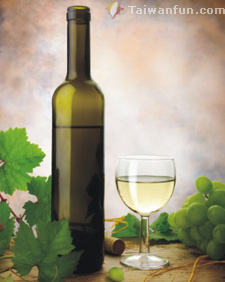 
Aperitifs are typically alcoholic drinks that are dry (unsweet), such as Champagne, Alsace wine, dry sherry such as Fino and Amontillado, vermouth, gin, and dry fortified wines from other countries. Light and dry wines are also good aperitif options. For instance, Beaujolais Nouveau can be taken as an amuse bouche, or appetizer.
With an enticing overture there should also be a perfect ending, which for a complete feast is an alcoholic drink known as the "digestif". It shows up after desserts and dessert wines are finished, and normally has higher alcohol concentrations (may be sweet or unsweet). Generally, relatively common digestifs include brandy from Cognac of France, grappa--the pomace brandy from Italy, whiskey, liqueurs (alcoholic drinks with flowery fragrances intended to add flavors and made with added herbs, spices, fruit and nuts), other distilled beverages such as tequila and vermouth, and fortified wines such as port, Madeira wine and sweetened cream sherry.
These drinks are excellent choices as digestifs and can gratify diners even more if served with a small confectionery (petit four) prepared by the restaurant!
Facebook--Ryan
pinj8372@hotmail.com
|

 March 2015
 Understanding Aperitifs and
Digestifs: The Overture and Finale
Understanding Aperitifs and
Digestifs: The Overture and Finale
