
There will be more funds for
public infrastructure after the
city/county merger. (Photo by
Lee Zong-yi)
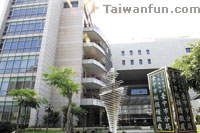
Exterior of Taichung City Local
Tax Bureau.
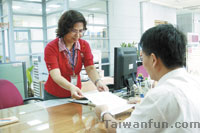
Taichung City Local Tax
Bureau's one-stop service
window, which means you
don't need to visit more than
one window to get things
done.
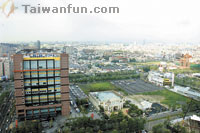
Greater Taichung is a
comfortable place to live and a
convenient location for
businesses, creating a
favorable environment for
property and real estate.
(Photo by Lee Zong-yi)
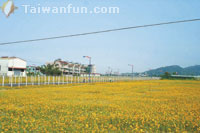
After consolidation, the city
government can increase its
income through rezoned city
areas and taxation. This image
shows one rezoned area.
|
1 + 1 = More Than 2: Taichung City/County Merger's effect on taxation
Words and photos by Taichung City Government
Translated by Naomi Lai
The highly-anticipated Taichung City-County Merger Project is finally underway, as Dec. 25, 2010 will not only be a local historical landmark, but also day a new, more internationally-competitive Taichung will be born.
Fairer taxation through resource integration
Geographically, Taichung County surrounds Taichung City, creating two mutually-dependent regions when it comes to day-to-day life, infrastructure, employment, transportation and much more. However, when it comes to tax-related areas such as standard housing unit prices, special structure prices, land prices, land values, deductions and methods of verifying deduction standards, the two regions have completely different laws and regulations. For example, Taichung City and County citizens can both own a steel-built structure on the same road and be taxed differently because of regulation differences for housing taxes and standard housing unit prices between the two jurisdictions; the city calculates on the basis of the type of steel used while the county uses the structure's area. In areas such as "Regulations for Reduction in Land, Housing and Deed Tax for Private Institutions Participating in Public Infrastructure Projects", Taichung City allows a deed tax deduction of 30% when acquiring the real estate rights, while Taichung County allows a 50% deduction.
Through consolidation, these differences can be re-evaluated for the creation of a more convenient, reasonable taxation environment for citizens of both areas.
Promoting government service standardization
Today, the two governments are concerned with putting people first, taking responsibility for creating a law-abiding administration, and providing more comprehensive services for the public. Both the city and county tax offices have maintained high standards of quality service, winning various awards throughout the years, and both aim for additional progress via innovations such as Taichung City's enforcement on "no phone call or window service transfers" and a new one-stop service window at the customer service center. Taichung County tax office also offers a tax service "express train"--a mobile tax window circulating within rural areas, and a sign-language service window. Each office has also drawn up plans which will help to shorten application times and simplify official procedures, in order to benefit both city and county residents. The two areas will be able to complement each other after the merger and mutually benefit from each other's services. A standardized administration will also undoubtedly boost public trust and satisfaction regarding the government.
Creating a non-stop tax revenue flow
Situated in central Taiwan, Taichung City and County are in a strategically favorable position. It takes only half a day to travel to either northern or southern Taiwan and many out-of-town investors are attracted to real estate purchases here for that convenient reason. With a merger of the two districts, land prices and transactions will increase, notably because Taichung has the advantage of a convenient local transportation network and a hospitable environment for various businesses. Construction industries have already made note of Taichung's potential and started planning another round of development projects. After the merger, housing, deed, land and land value increment taxes will all help to further boast the government's tax revenues.
The many advantages of consolidation do not stop at the sharing of resources, the cooperative planning of overall public infrastructure development, or the integration of the sea, land and air transportation systems. At the same time, an increase in the government's combined income through increases in the "distribution of the centrally allocated tax revenue and grants" and tax income from investment, tourism, consumption and land development will further help to provide more substantial funding for public infrastructure development. The total net tax income was NT$15.9 billion for Taichung City in 2008 and NT$13.7 billion for Taichung County. Together, this would total NT$29.6 billion, a vast fund that will go towards providing better public infrastructure for people in the region.
From this discussion of taxation, the great multiplier effect of the Taichung City and County merger is obvious. Indeed, one plus one can sometimes be large than two. |

 December 2009

